
Zagreb - Political groups in the Croatian parliament on Wednesday supported government-proposed amendments to the Misdemeanour Act, while warning of disputed solutions, particularly regarding fine collection and possible limits on citizens’ access to judicial protection.
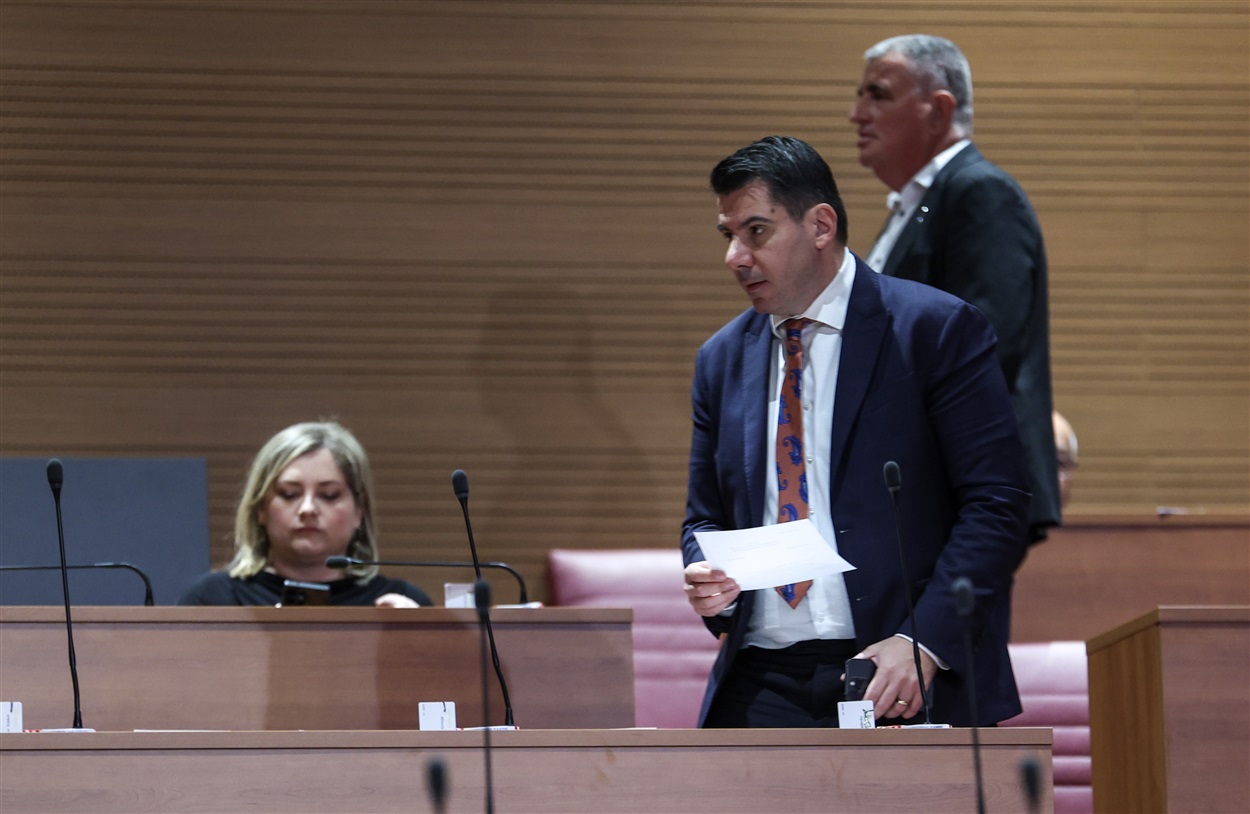
The debate was marked by a sharp exchange between the Bridge party and the ruling Croatian Democratic Union (HDZ), with Bridge's Nikola Grmoja arguing that parliament should not be discussing “technical” changes while Croatia has been without a president of the Supreme Court for a year and the judiciary remains in poor condition.
HDZ MP Nikola Mažar said the amendments were important and substantive, not merely technical, noting they affect a large number of citizens and cases. He said around 120,000 misdemeanour cases are handled annually and the number of pending cases is falling, citing positive European Commission assessments. He added that digitalisation and changes in fine collection would improve efficiency and speed up proceedings.
Mažar accused Grmoja of avoiding the topic and focusing on unrelated issues, and of showing “exclusionary tendencies”.
Deputies from the Social Democratic Party (SDP) said they would support the amendments in the first reading but expressed reservations about abolishing the option to pay two-thirds of a fine after court proceedings. MP Kristina Ikić Baniček warned that the changes could discourage citizens from seeking judicial protection, arguing that financial incentives should not determine access to justice and suggesting the reforms are aimed at boosting budget revenues.
She noted the amendments cover three main areas – service of documents, introduction of audio recording of court proceedings, and changes to fine collection – describing them as a modest step towards digitalisation.
SDP MP Ivan Račan said the changes were a step in the right direction, but that some measures, such as audio recording, would only take effect next year, and that administrative proceedings remain outside the scope of digitalisation.
Dragana Jeckov of the Independent Democratic Serb Party welcomed the amendments but warned that removing preferential fine payments could discourage citizens from seeking legal protection and undermine equality before the law. She also said mandatory e-communication could burden tradespeople and older citizens.
Dalibor Paus of the Istrian Democratic Party pointed to inconsistencies in the proposals, questioning why fines for individuals and responsible persons were being increased while those for legal entities remained unchanged. He also called for longer deadlines in the e-communication system, warning that the current eight-day limit could be problematic for small businesses, and suggested traffic wardens be allowed to issue mandatory penalty notices based on traffic camera footage to reduce court cases.
Damir Barbir of the Centre party said judicial modernisation was necessary, but efficiency should not be the only criterion for reform, stressing that digitalisation and faster procedures are meaningful only if equal access to legal protection is ensured for all citizens.