
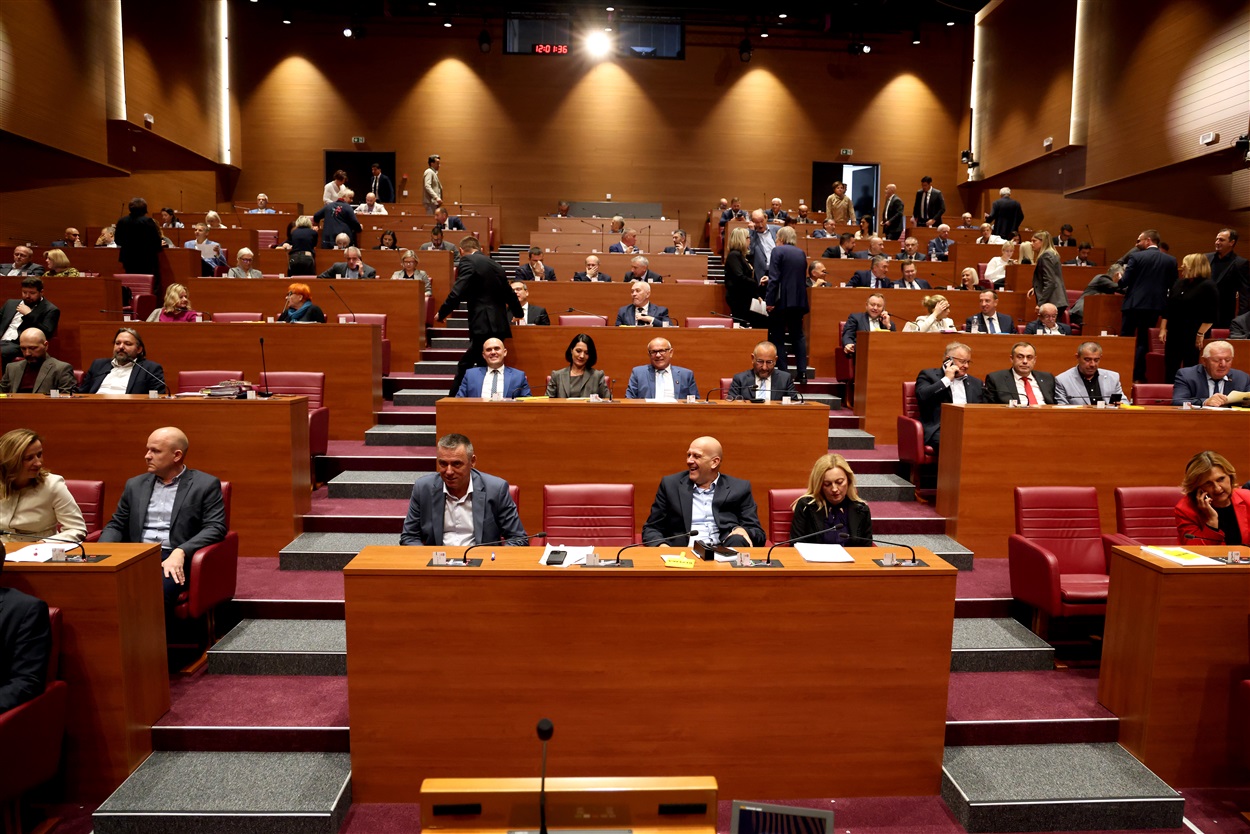
Zagreb - State Secretary at the Ministry of Economy Ivan Rakocija told the Croatian Parliament on Friday that free zones remain important for companies operating there, even though their number and appeal have declined since Croatia joined the EU.
The country now has six free zones, down from 14 in 2013 when it joined the EU. Two inland zones are located in Zagreb and Škrljevo near Bakar and four port zones in Pula, Rijeka, Split and Ploče.
Rakocija noted that the zones located in ports retain a comparative advantage, particularly for firms importing goods and exporting to third countries.
Submitting a report on the business performance of the free zones in 2024, Rakocija said that companies will continue to benefit from deferred VAT and customs payments. The drop in employment by 103 jobs at the Ploče port zone was due to infrastructure modernisation reducing the need for labour.
Dalibor Domitrović (Social Democratic Party) said his party could not give a positive opinion on the report, noting that most indicators, including the number of users, employees and profit, fell or stagnated, while growth in total revenue was due to inflation and a higher share of exports.