
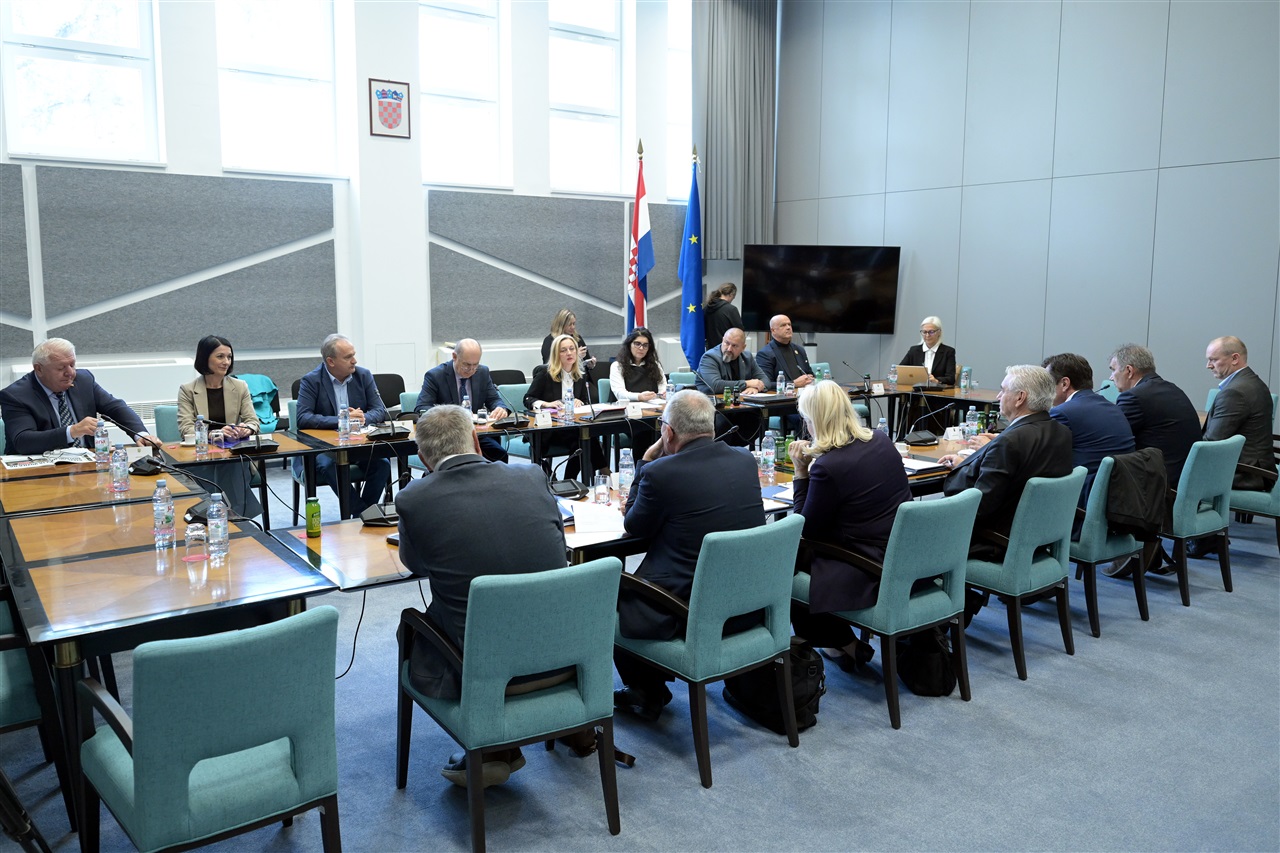
Zagreb - Water and food in Gospić are safe, institutional representatives told the parliament's Agriculture Committee, while calling for the remediation of the illegal waste dump at the former PPK Velebit industrial complex, compensation for farmers and continued monitoring of water, soil and food.
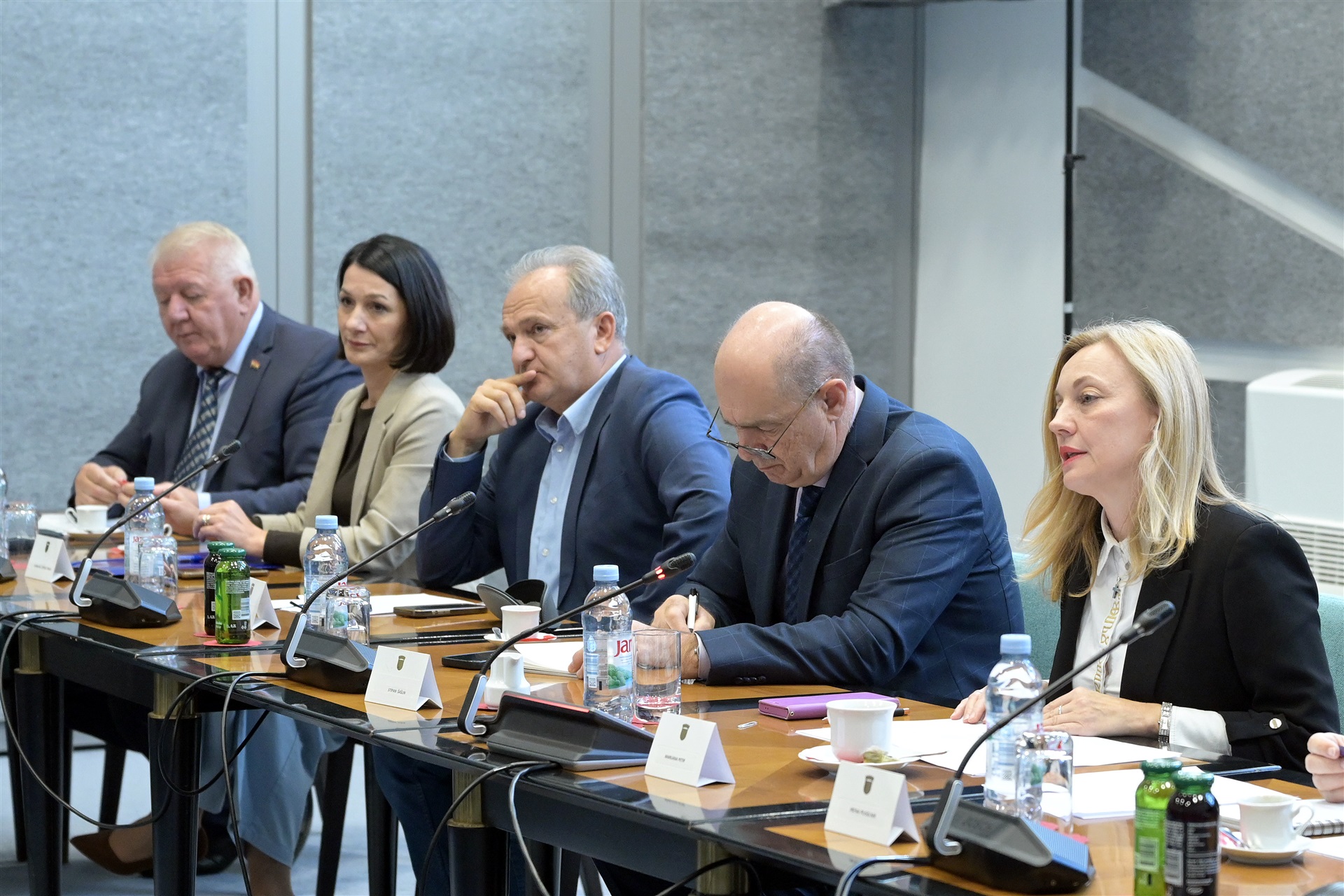
The committee meeting was convened amid concerns that agricultural produce could be contaminated by waste illegally dumped near Gospić, as well as claims that such fears were unfounded and were causing significant economic damage to local farmers and businesses. Committee chair Marijana Petir said additional testing should cover all relevant products so that producers, who were not responsible for the situation, would not bear the costs.
Bubaš and Capak: Food is safe, monitoring continues
Health Ministry State Secretary Marija Bubaš and Croatian Institute of Public Health director Krunoslav Capak said tests covering 15 categories of locally grown produce had found no evidence of widespread contamination.
Tests of the public water supply also found no issues affecting its safety, and no PFAS, were detected. However, elevated PFAS levels were found in groundwater.
Based on the results so far, food and water are safe, but the situation requires continued and intensified monitoring, Bubaš said.
She announced seasonal repeat sampling and proposed extending testing to animal products and livestock feed, alongside a publicly accessible register of results from all relevant institutions. Targeted biomonitoring to measure PFAS and metals in the blood and urine of residents relying on private wells and home-grown food is also under consideration.
One sample of aronia berries showed elevated cadmium levels. Bubaš and Capak attributed this to the natural composition of the local limestone karst soil and the plant's ability to accumulate metals, rather than the landfill, and said the sample should be retested.
Earlier tests had found elevated antimony in cabbage and cadmium in dandelions collected close to the dump. Capak said the antimony levels posed no health risk, noting that an adult would need to eat 17 kg of cabbage a day to reach a level associated with adverse effects. Bubaš added that the dandelions had grown beside a railway line.
Three days of continuous mobile monitoring also confirmed that air quality in Gospić was good.
Capak said European research on PFAS exposure in citizens, including those in Gospić, was not based on representative samples. He noted that these chemicals are widespread and that people can be exposed to them through products such as food packaging.
Secretary Beljo: Farmers suffered greatest damage, have Ministry's support
Agriculture Ministry State Secretary Marinko Beljo said Gospić is home to 1,350 agricultural holdings farming more than 10,481 hectares. A total of 606 holdings raise 23,399 animals. Near the landfill, 32 farms cultivate almost 297 hectares and keep 533 animals.
Beljo stressed that the figures represented people, families and livelihoods, warning against drawing conclusions about all local produce from a single sample or allowing unverified claims to undermine consumer confidence.
Representatives of agricultural and business organisations, beekeepers and livestock breeders said farmers had suffered damage despite bearing no responsibility. They called for urgent protection, financial compensation and the clean-up of the illegal dump.
Beljo assured them that farmers in Lika-Senj County would continue to receive ministry support and that food safety would remain under surveillance. Possible compensation and specific measures are still being assessed.
Šašlin: Farmers suffered damage because opposition wanted to bring down gov't
HDZ MP Stipan Šašlin said the incident should never have happened but argued that test results showed no evidence of harm to human health or contamination of food and drinking water.
He accused the opposition parties SDP, We Can! and Bridge of exploiting the case in an attempt to bring down the government, arguing that farmers and businesses had suffered the greatest damage. He called on them to apologise and asked who would compensate producers.
Homeland Movement MP Dubravka Lipovac Pehar said the issue should not be politicised and called for monitoring to continue after the landfill is remediated to reassure residents.
We Can! MP Dušica Radojčić argued that the landfill's impact on the immediate environment was evident. She said public trust had been undermined not by people discussing the problem, but by a system that had allowed large quantities of hazardous waste to be dumped there.
Radojčić called for a published protection plan for farmers in Lika, including regular enhanced monitoring, free product testing and compensation for losses.