
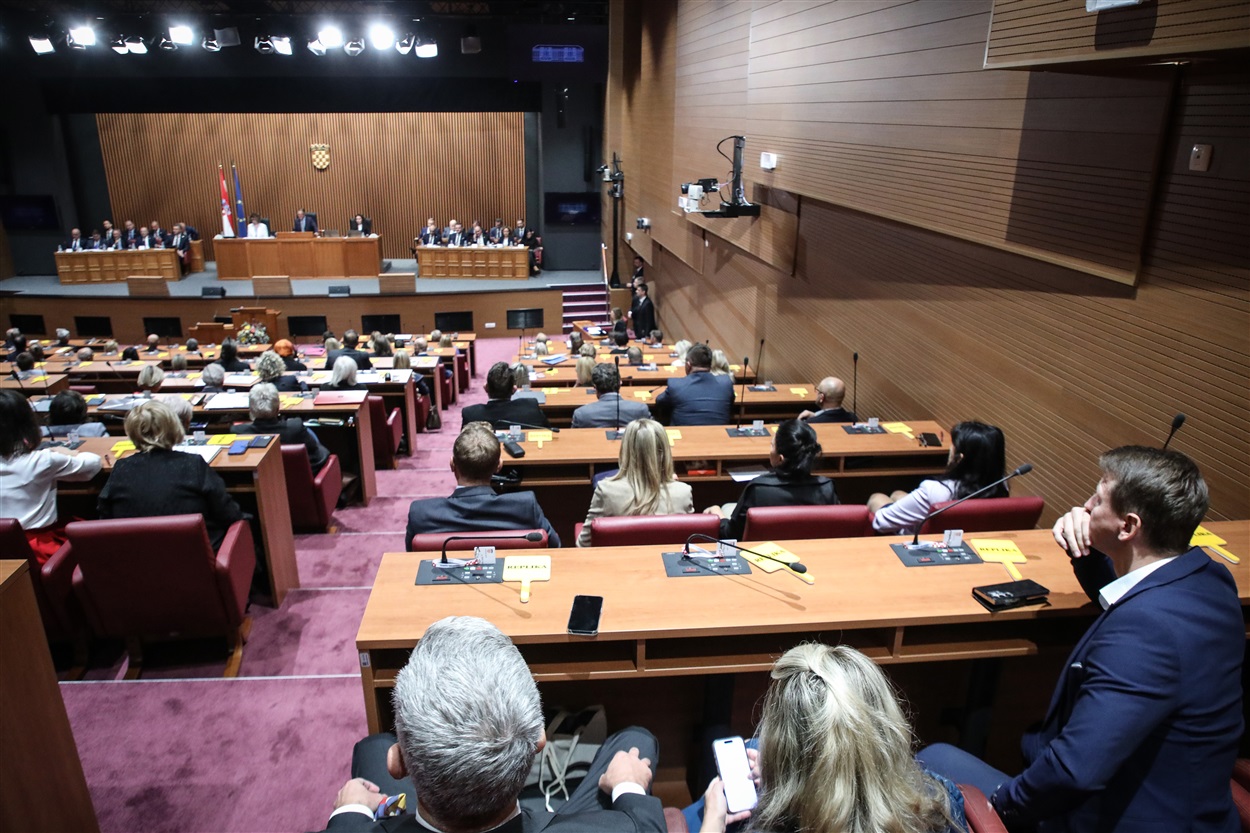
Zagreb - Migration and international protection reforms divided MPs on Thursday, with the left largely welcoming the legal improvements, while the right warned that Croatia must not become a migrant "hot spot".
During the debate on amendments to the International and Temporary Protection Act, Sanja Bježančević (Social Democratic Party) criticised the expansion of detention powers and vague measures affecting human rights. She noted only limited integration measures, such as language access, labour market entry, recognition of qualifications, stable housing, and institutional support.
Independent MP Nino Raspudić argued Croatia should not bear the consequences of other states' migration policies, warning against becoming a buffer zone or hotspot. Only 5% of those expressing intent actually apply for asylum, he noted.
Raspudić said the law strengthened Croatia's role in holding, filtering and accommodating illegal migrants, increasing administrative burdens and costs.
Ivica Ledenko (Bridge) said migrant pressure would rise, and the law offered no protection strategy.
"We're not spreading fear, but speaking up for those who want Croatia to stay safe," added Nikola Grmoja (Bridge), noting Poland and Hungary's safety due to national homogeneity.
Damir Biloglav (Home and National Rally) stressed Croatia welcomed those who came legally to work but not those with other motives. He advocated maximum border protection.
Milorad Pupovac (Independent Democratic Serb Party) condemned incitement against people of different colour, race or social status, warning it risked social stability. He stressed that foreigners, including workers, were needed in construction, hospitality and services. Pupovac said the law allowed Croatia to control processes under international protection and did not increase risk.
Damir Barbir (Centre) warned against fear-mongering and populism, calling for serious, responsible debate.
Draženka Polović (We Can!) criticised removing provisions allowing UNHCR or other rights organisations to attend asylum hearings, risking access for the most vulnerable.
Ivan Budalić (Croatian Democratic Union) said the law balanced asylum seekers' rights and citizens' security, with integration starting from day one through workshops and Croatian lessons.
Ivica Kukavica (Homeland Movement) added that the law aimed for more efficient procedures, clearer rules and preventing system abuse.