
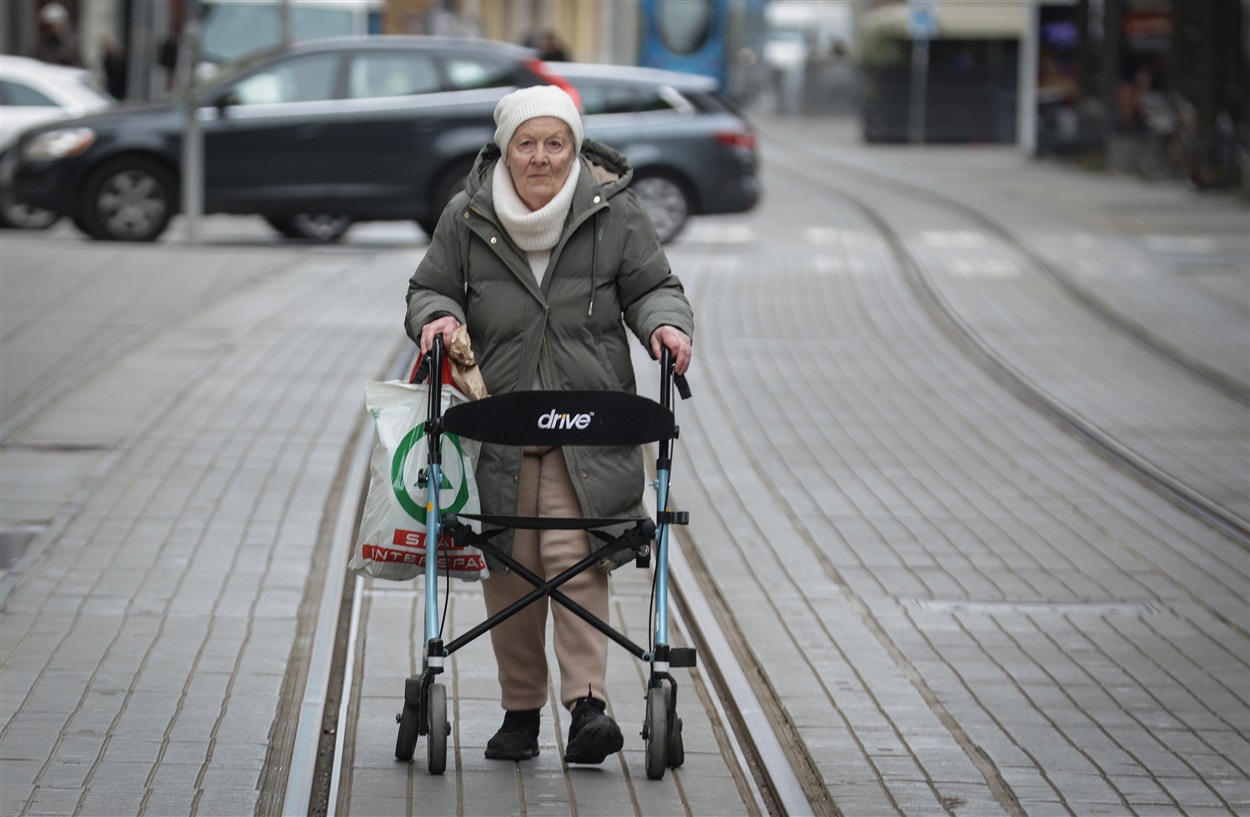
Zagreb - Ombudswoman Tena Šimonović Einwalter has warned parliament and the public about mounting challenges facing older people, calling for the introduction of paid leave to care for parents and higher social benefits.
She submitted a report titled “Rights of Older Persons in Croatia” to parliament, aimed at bringing greater focus to ageing-related issues. This matters not only for those who are currently elderly, but for everyone, as we will all one day become older persons, she said.
According to the 2021 census, 22% of Croatia’s population is aged 65 or over.
The report highlights ageism, noting that discrimination is underreported, although 18% of people aged over 60 say they have personally experienced it. Older people also lack information about their rights and available services, while existing regulations pose additional barriers to accessing support.
Despite a legal obligation to support elderly and infirm parents, workers cannot take sick leave to care for them. Instead, they must rely on annual leave or limited days off. The ombudswoman has therefore recommended that the Health Ministry amend health insurance legislation to allow employed people to care for elderly parents and other close family members.
The report also points to widespread poverty among older people. The at-risk-of-poverty rate stood at 39.4% last year, rising to 64.4% among those living alone, with women particularly affected. This marks an increase from 50.3% in 2019.
Low pensions and social benefits, alongside rising food and energy prices, are key drivers. The ombudswoman has urged the Labour Ministry to increase minimum and national allowances for older people and introduce twice-yearly indexation, while recommending that the Finance Ministry abolish income tax on pensions.
She also warned of violence against older people in families, institutional care and public spaces. Research in Zagreb shows that 19.3% of elderly citizens have experienced psychological abuse, neglect or economic violence.
Family relations and traditional inheritance expectations can further increase vulnerability, discouraging older people from using their assets for their own wellbeing.
Care homes face shortages of capacity, long waiting lists, high costs and staff shortages. Croatia has residential capacity for just 3.68% of those aged over 65, with some facilities also criticised for poor conditions and inadequate care.
Problems are also evident in healthcare, with complaints that doctors sometimes fail to take older patients’ concerns seriously, leading to inadequate treatment. There is also insufficient coordination between health and social care systems in providing long-term care.
Palliative care continues to develop slowly, prompting a recommendation that the Health Ministry urgently adopt a national development programme.
The report also, for the first time, focuses on people living with dementia and their families, warning that support is insufficient and unevenly available, and calling for the swift adoption of a national action plan.
It notes some progress in protecting older people from abuse of care contracts, but also highlights the impact of digitalisation, which risks excluding many older people. Public authorities should therefore ensure access to services in traditional formats as well.