
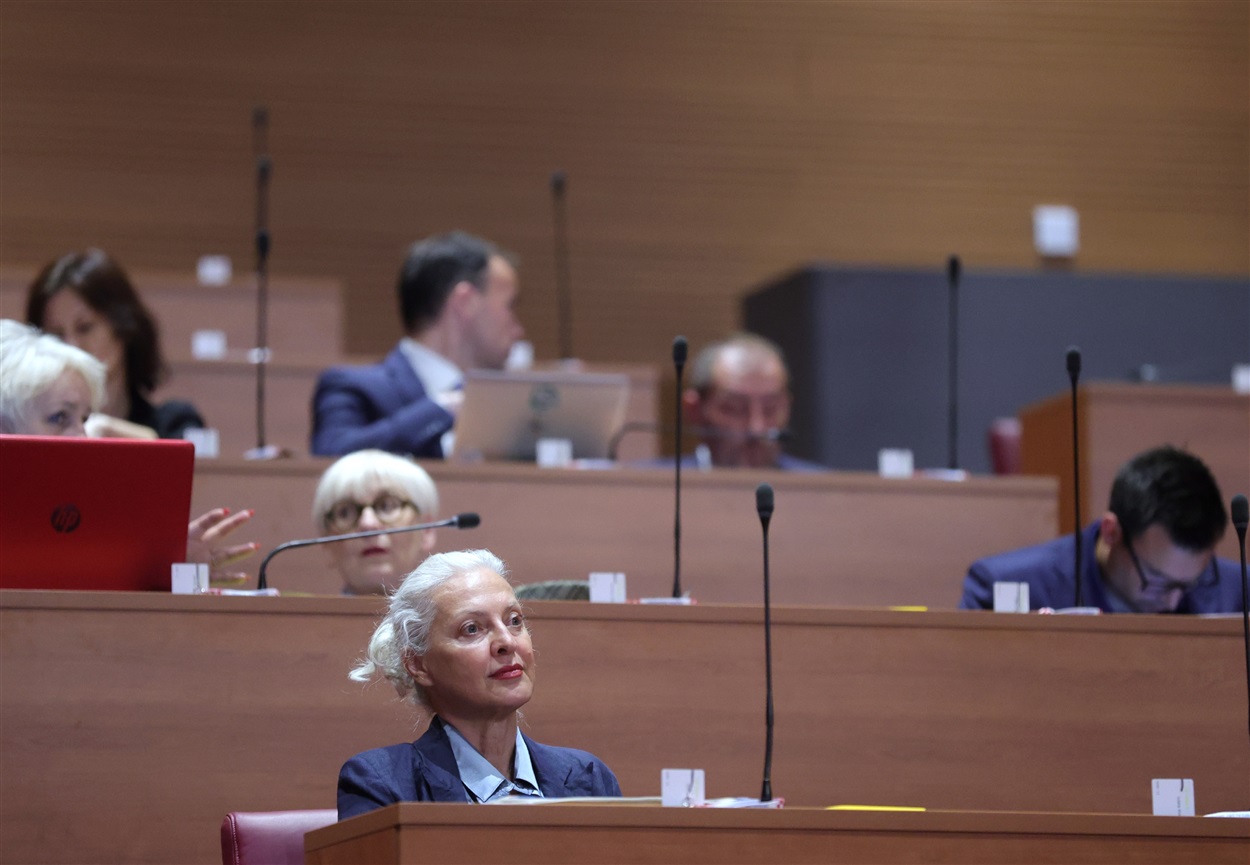
Zagreb - Parliamentary opposition MPs warned on Tuesday about prison overcrowding and staff shortages, while Justice Minister Damir Habijan announced that two modular prisons in Varaždin and Lipovica, each with 150 places, would be completed in July, adding 300 new beds.
During the debate on the report on the prison system in 2024, he also outlined plans to expand capacity in Požega Penitentiary and the Zagreb Prison Hospital, and to build new penitentiaries in Perušić, Žažina (Sisak-Moslavina County), and Osijek.
Habijan said the prison system currently holds around 900 inmates above capacity, with an average of 4,939 prisoners for 4,052 places. About 51% are remand prisoners. He argued that greater use should be made of house arrest with electronic monitoring and other alternatives to reduce prison numbers.
In 2024, a total of 16,826 people passed through the prison system, most of them on remand. On 31 December, 4,965 people were deprived of liberty, 93.6% of them men, including 3,508 foreign nationals.
Of 3,558 planned staff positions, 2,603 were filled (73%), prompting plans to recruit more trainees.
Electronic monitoring at home was used for 11 remand prisoners last year.
Opposition MPs acknowledged investment in infrastructure and the hiring of 106 new prison officers, but warned that remand prisons remain severely overcrowded and understaffed.
SDP MP Anita Curiš Krok highlighted the high number of remand prisoners, including minors sometimes housed with adults, and called for improvements in healthcare, staffing and prisoner transport.
Milorad Pupovac (SDSS) said 44% of all detainees at the end of 2024 were in remand custody and warned that some lack the legally required four square metres of space per person. He described prison healthcare as insufficiently accessible and understaffed.
Božo Petrov (Bridge) added that a quarter of inmates with mental health issues were not placed in appropriate facilities, warning that prisons must not become substitutes for psychiatric care.
In contrast, HDZ MP Ljubica Jembrih said the government was managing the prison system responsibly and investing systematically in healthcare, infrastructure, security and staff despite difficult conditions.