
Zagreb - US Senator Cynthia Shaheen said in Zagreb on Monday that she hoped the double taxation treaty between Croatia and the United States would soon be ratified by the US Senate.
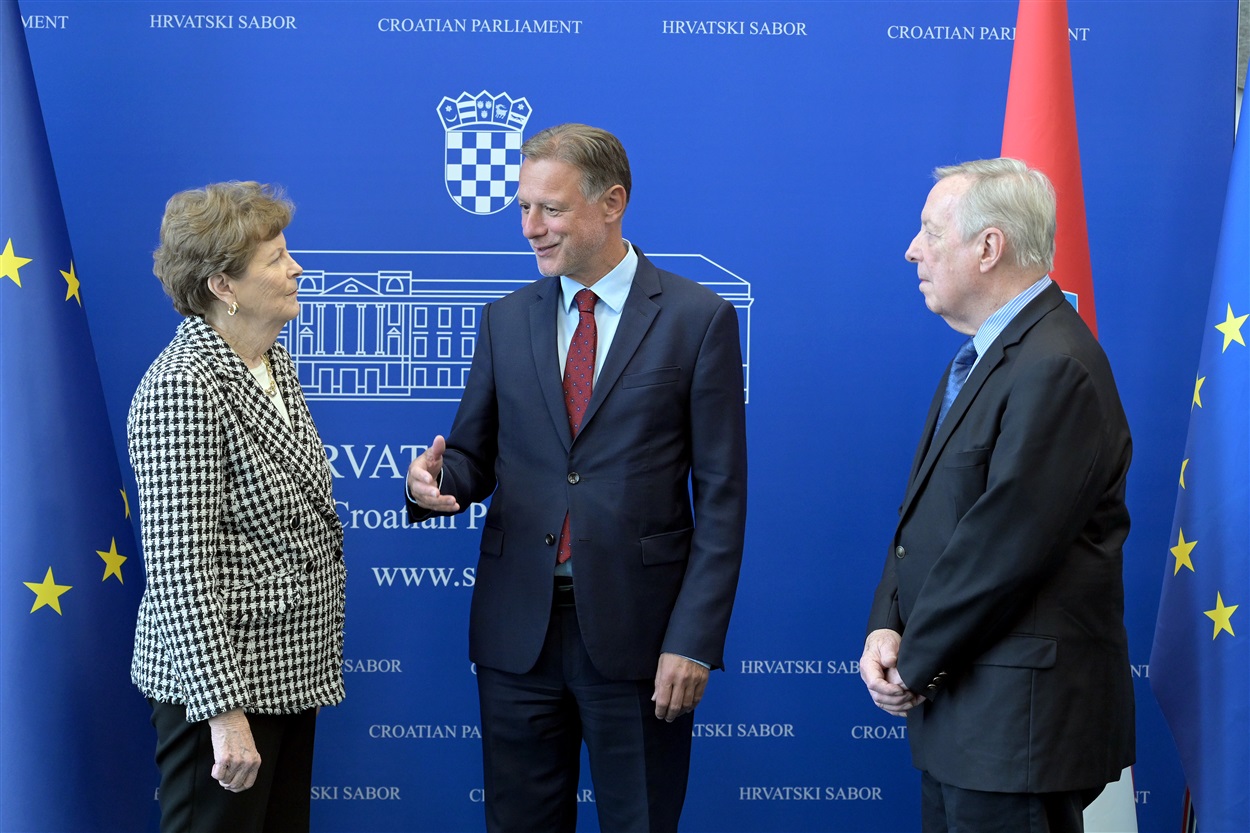
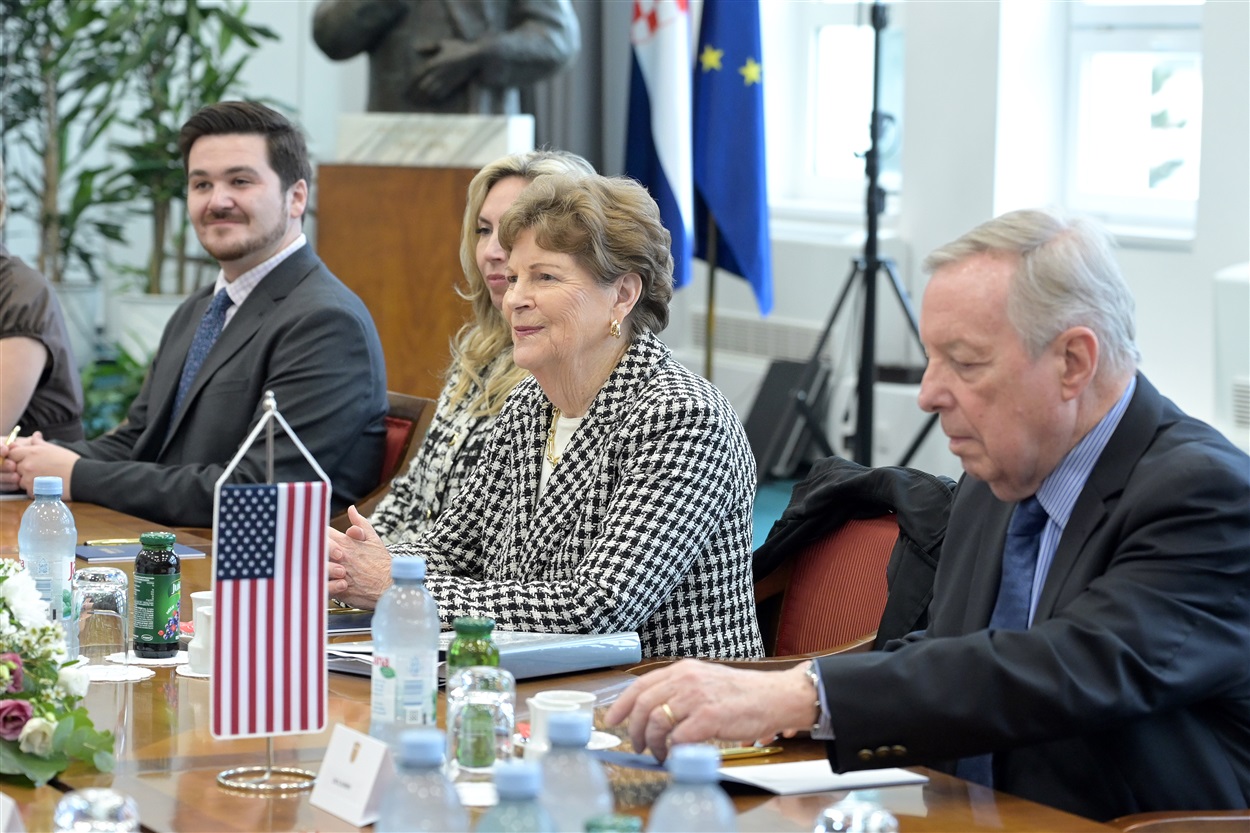
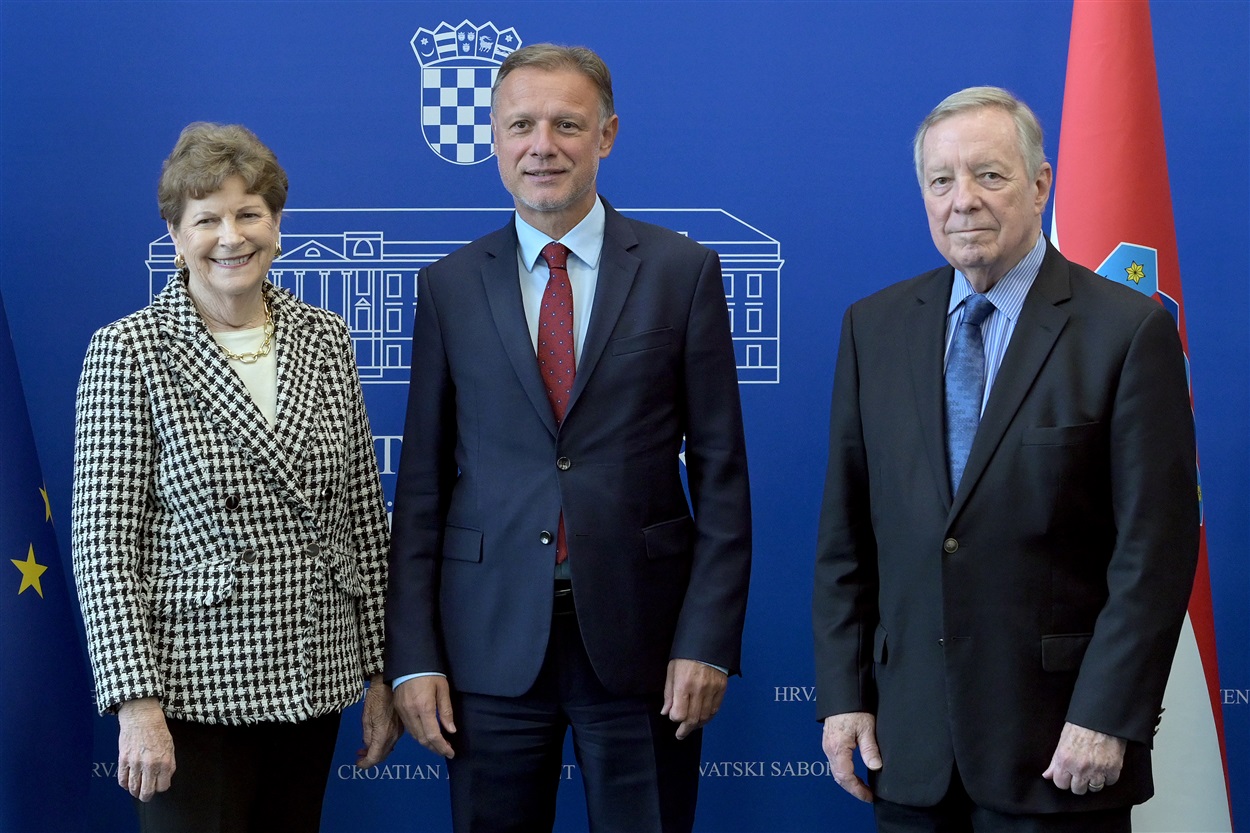
Shaheen and Senator Richard Durbin met Parliament Speaker Gordan Jandroković, who outlined the steps taken by Croatia's parliament to remove the obstacle to bilateral trade.
Croatia needs a transparent and predictable framework for trade with the United States, Jandroković said, adding that it would significantly strengthen economic ties between the two friendly countries.
Croatia is the only EU member state without a ratified double taxation treaty with the US. The agreement was signed in December 2022 and is still awaiting Senate ratification.
US Ambassador Nicole McGraw said in Zagreb last week that ratification could take place later this year.
Jandroković reminded the delegation that parliament adopted a law ratifying the treaty and an accompanying protocol in late September. The protocol was signed in April on the sidelines of a Three Seas Initiative summit in Dubrovnik.
Prime Minister Andrej Plenković also met the US delegation. Writing on X, he said they discussed eliminating double taxation, strengthening transatlantic partnership and prosperity and the political situation in Bosnia and Herzegovina following elections earlier this month.
Regional path to EU membership
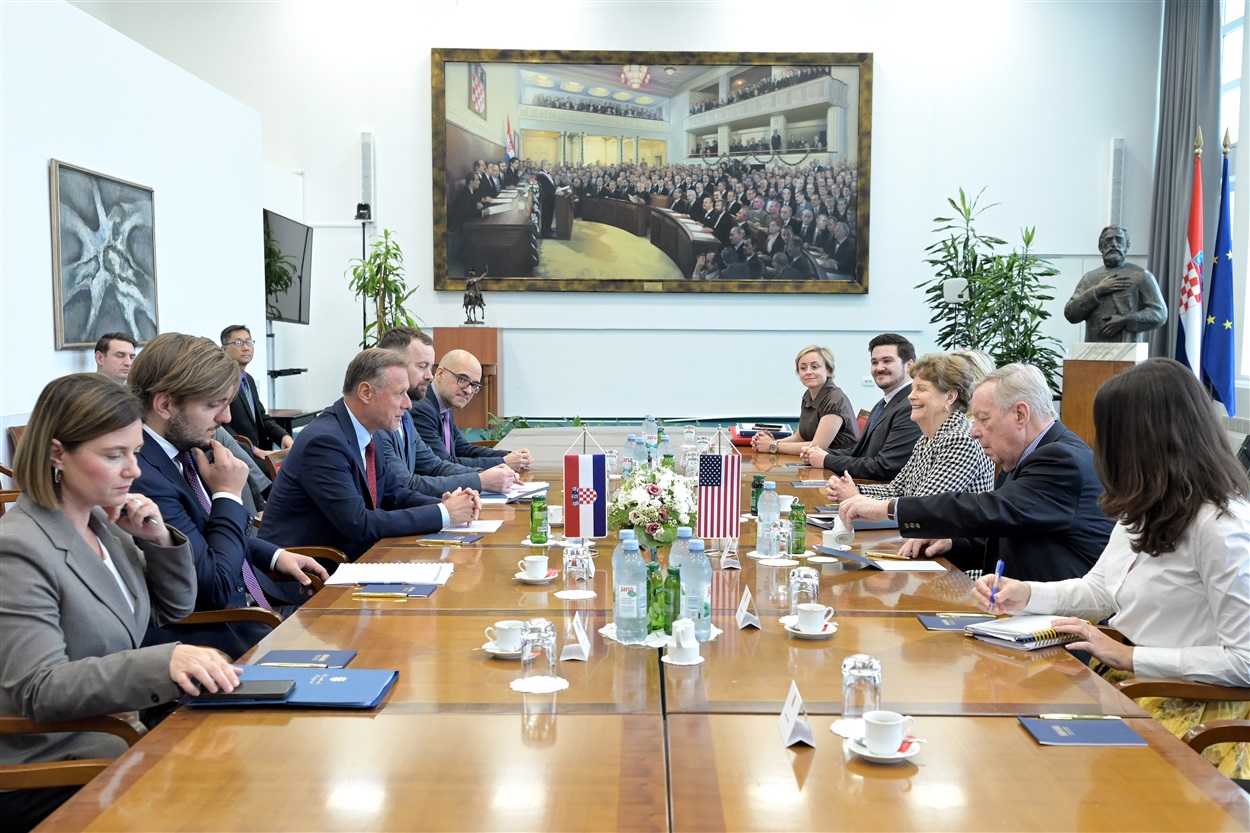
During their meeting in parliament, officials reaffirmed the close, friendly relations and strong partnership between Croatia and the US, highlighting the role of people, as the Croatian-American community in the US numbers around 1.2 million.
Jandroković also highlighted cooperation in defence and security, stressing the importance of the EU-US partnership in addressing global security challenges and threats.
He told the US senators that Croatia played a significant role in maintaining stability in the Western Balkans and promoting Euro-Atlantic integration and reforms across the region.
He thanked Shaheen for her personal efforts to strengthen bilateral relations, particularly during Croatia's EU accession negotiations and its first years of NATO membership.
Not all candidate countries are equally committed to shared European values, Jandroković said. EU accession must remain merit-based and depend on genuine commitment to those values, which he said was not the case for all current candidates, particularly Serbia.
He also praised Bosnia and Herzegovina, where Darijana Filipović was elected as the Croat member of the country's collective Presidency earlier this month.
Jandroković described her election as important for Bosnia and Herzegovina's functionality and progress towards the EU, saying it reaffirmed the principle of legitimate representation of the country's constituent peoples.